Time Is Priced Incredibly Inefficiently
Time is perhaps the most important input in the economy. Time is used as a proxy for output in most labour markets, hence most people are paid on an hourly basis. Additionally, time is an important factor in most purchases. Amazon's success is largely attributable to time savings from not having to go to or search for a store to buy things (Amazon grew from ~$107B in 2014 to ~$638B in 2024). People place incredible importance on how they use their time, are willing to pay for time savings, and creating time savings is effectively the same as creating convenience. Time is treated as homogeneous and linear in markets, but in reality, it is highly state-dependent and often poorly priced, if at all.
How people value their time is incredibly variable. I find myself generally enjoying the hours of work before lunch time, but count down the clock after lunch, despite doing the same task. When someone is running late for an important event, each minute becomes exceedingly valuable. There is the sensation of being willing to do or pay anything to save an extra ten minutes if those ten minutes are the difference between being late or on time, or making a flight you would otherwise miss. Furthermore, in the world of AI and new financial technologies, the way that time is valued is subject to dramatic change. Large language models already make it possible to dramatically expedite tasks like coding and writing. If output decouples from hours worked, time can no longer function as a reliable proxy for value creation. Ian Betteridge has recently summarized the idea simply: "AI is the triumph of capital," because it's treated as a new productive input that displaces labour (ianbetteridge.com). This raises important questions of whether time is still an appropriate proxy for output, and how wages are structured may change in response.
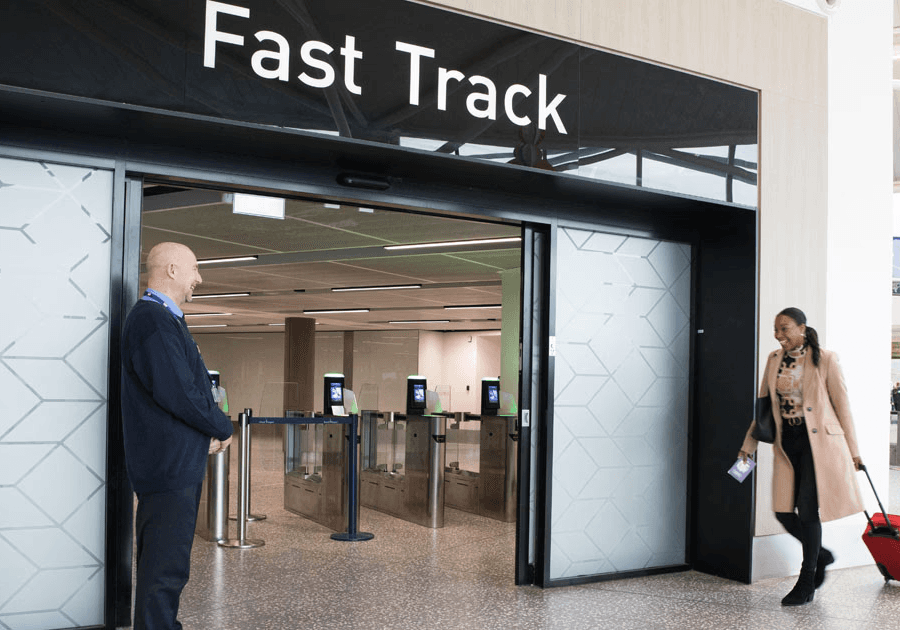
In parallel to AI, new possibilities of financial technology make it possible to trade time itself more efficiently. It is now theoretically possible to transact time in radically different ways. Airports have already begun to implement priority screening and fast lanes, but imagine something more radical: Uber already offers some ways to pay to expedite a trip, but imagine an option where you could pay for an Uber to turn on sirens like an ambulance, or access a special lane and cut an hour drive in heavy traffic to 10 minutes. An even more controversial approach would be to have pre-set fees that allow one to use a complex algorithm to align traffic lights with your trip to remove traffic. Ethical, regulatory, and feasibility considerations aside, this seems incredibly attractive when running late. In a more benign case, many people may be willing to pay double the price for their morning coffee to avoid enduring a long line while uncaffeinated or in a hurry. In the labour market, there is already an increase in contracted work — work that is tethered to the completion of a task rather than the hours that go into that task. This trajectory is likely to continue as institutional inertia behind wage-based systems fades.
The main obstruction to systems like these being implemented is objections of fairness. It seems fundamentally unfair to pay to skip a line, although it should be noted that this is already implemented in Disneyland. In cases of transportation, there are significant regulatory hurdles, while in the workplace, there are institutional ones. My sense is that there will be a moment similar to the adoption of ChatGPT around 2022, where norms change rapidly over a couple of months. Markets will increasingly price time non-linearly — not by the hour, but by urgency and outcome.